
The New York Jets are heading into the playoffs at 15–1.
And if Week 17 was supposed to be a tune-up, they treated it more like a warning.
New York pulled away from Baltimore in the second half for a 28–7 victory, with Curtis Martin rushing for 189 yards and three touchdowns while the Jets defense held the Ravens to just 160 total yards and five first downs.
The final score makes it look comfortable, but for much of the first half it was anything but. Baltimore’s defense kept the Ravens in the game, forcing turnovers and stopping New York from turning early control into a runaway. Once the Jets took the lead after halftime, though, the game changed. New York’s defense tightened up, Baltimore’s offense stalled, and Martin began to take over.
Jets Strike First
New York opened the scoring with an impressive eight-play, 72-yard drive, moving methodically through the Baltimore defense before Vinny Testaverde found Laveranues Coles for a 26-yard touchdown.
The score gave the Jets a 7–0 lead and seemed to confirm the early pattern of the game. New York was moving the ball more efficiently, controlling possession, and keeping Baltimore’s offense off balance. Testaverde would finish the afternoon 9-of-13 for 114 yards and a touchdown, while Coles caught three passes for 59 yards.
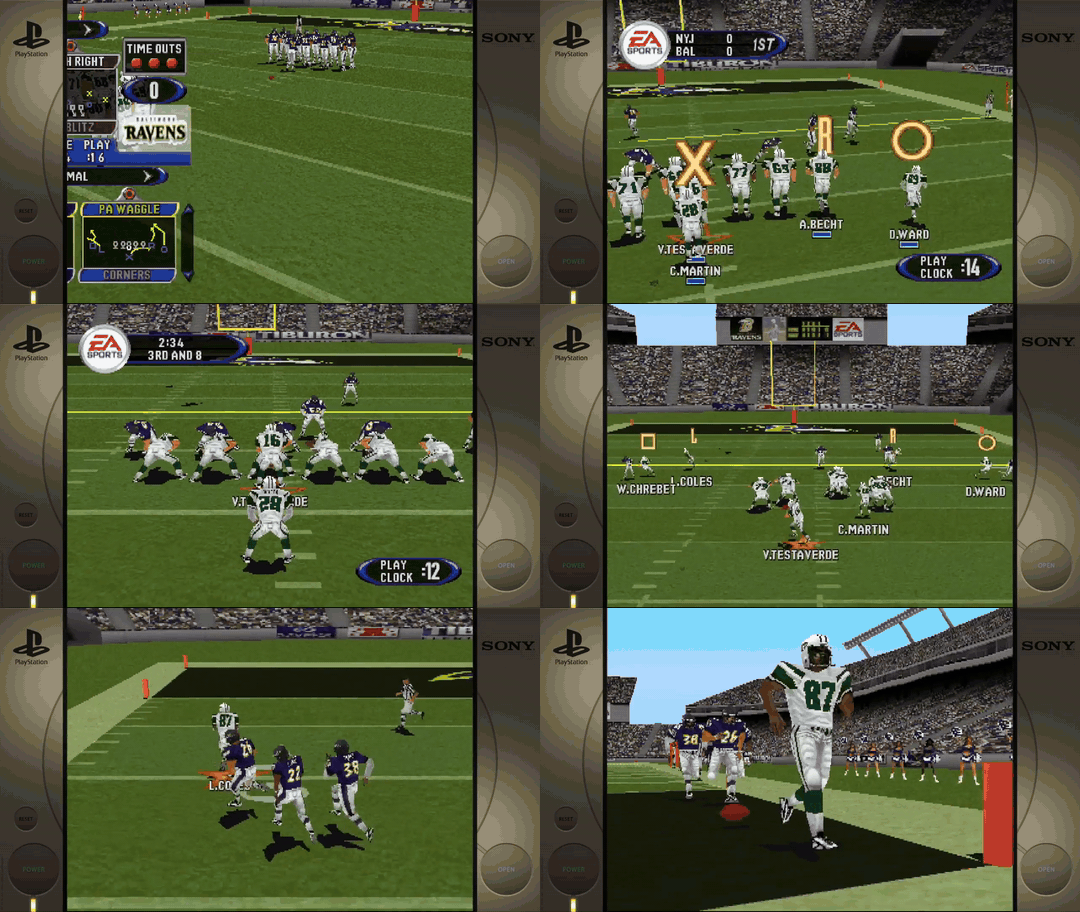
For a moment, it looked like the Jets might take control early.
Then Baltimore’s defense made its first major play.
McAlister Keeps Baltimore Alive
With New York threatening again, Chris McAlister intercepted Testaverde and gave the Ravens a desperately needed stop.
The turnover mattered because Baltimore had done very little offensively up to that point. New York had the advantage in yardage and field position, and another Jets score could have pushed the game toward a rout before the Ravens had found any rhythm at all.
Instead, McAlister stepped into the passing lane, took the ball away, and kept Baltimore within one possession.
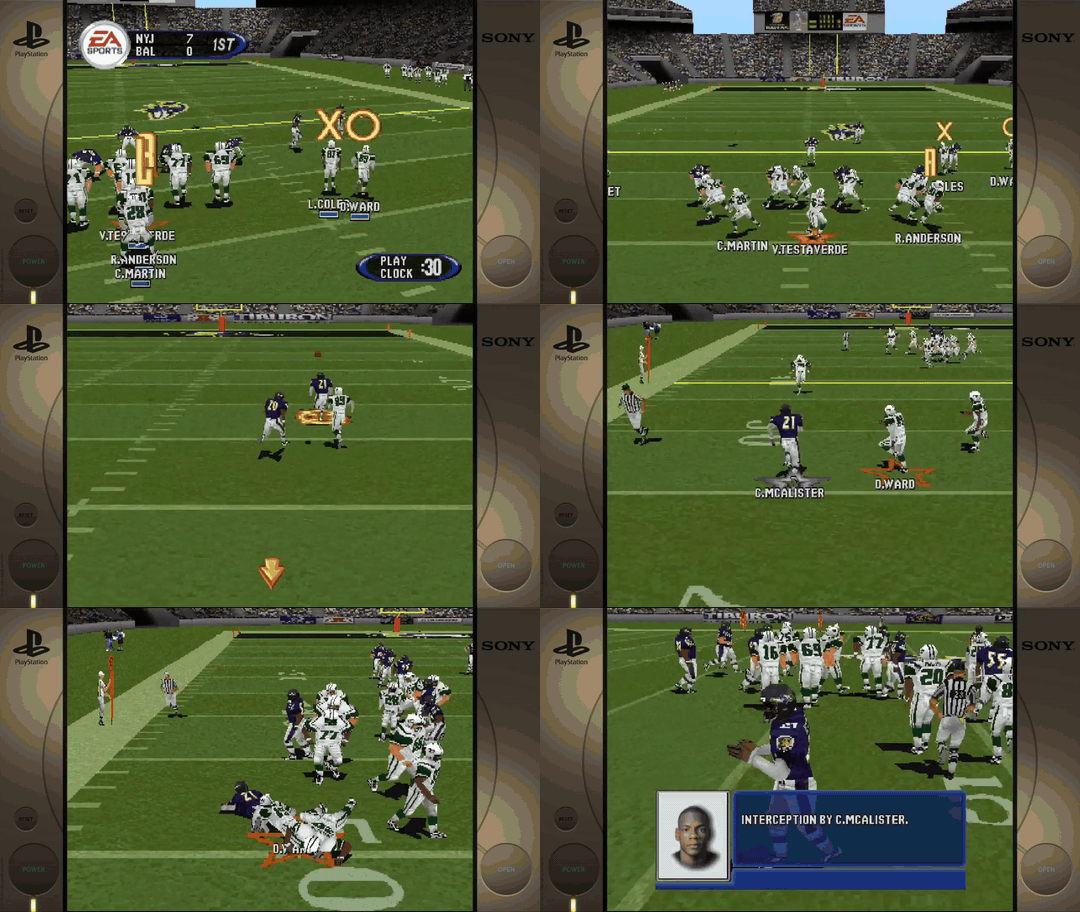
The Ravens still struggled to move the football, but their defense had done enough to keep the game close. That would become the theme of the first half: Baltimore’s offense sputtered while the defense bought it time.
Ferguson Wrecks the Drive, Phifer Finishes It
Baltimore eventually moved into scoring territory with a chance to cut into the Jets lead, but the New York defense answered with one of the most important sequences of the game.
Jason Ferguson dropped Tony Banks for an 11-yard sack, immediately putting Baltimore behind the chains and turning a promising drive into a difficult situation.
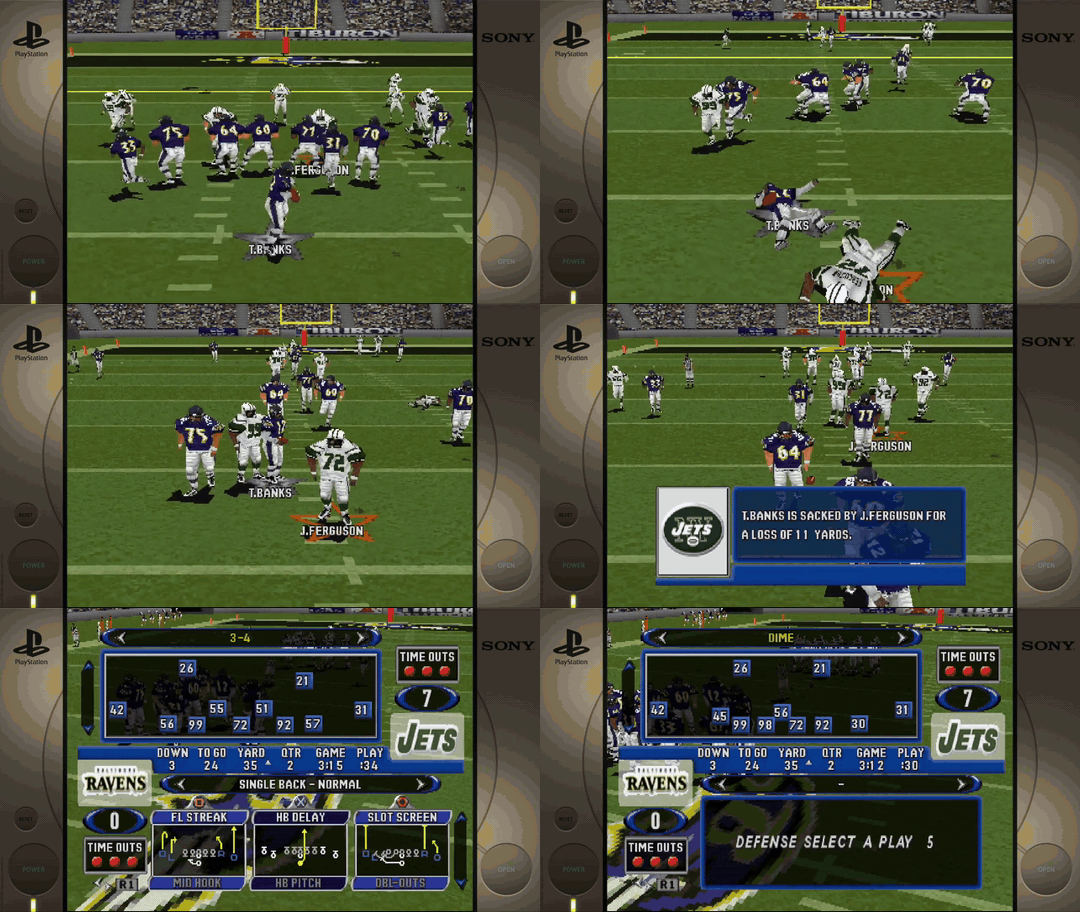
The Ravens managed to recover some of the lost yardage, but they were still facing fourth-and-long. Baltimore lined up for the field goal, seemingly content to take three points.
Then came one of the strangest plays of the afternoon.
The Ravens faked it.
Instead of getting points, Baltimore got another turnover. Roman Phifer intercepted the fake-field-goal pass, snuffing out the drive completely and preserving the Jets’ 7–0 lead.
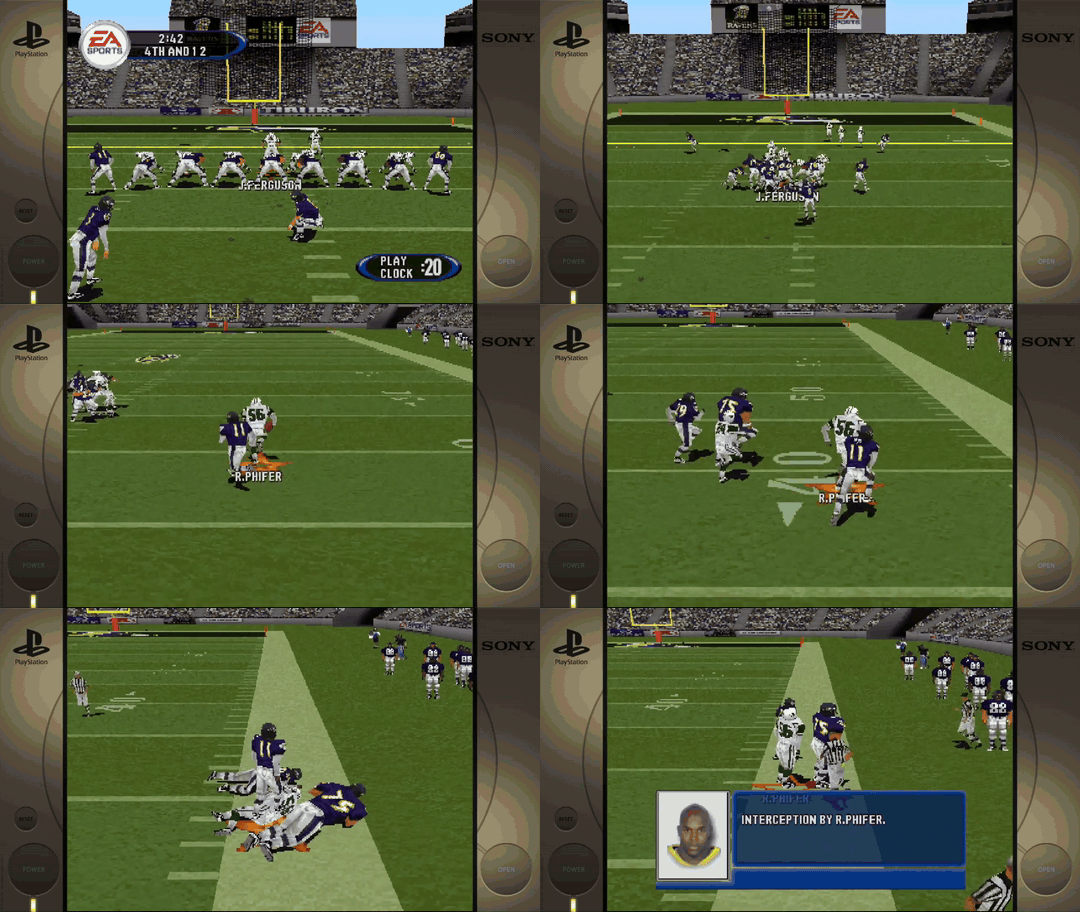
The sequence was a perfect example of how New York’s defense controlled the game. Ferguson created the long-yardage situation, Baltimore got desperate, and Phifer finished the job.
One Big Play Ties It
Despite all of that, Baltimore found one explosive play that changed the mood of the game just before halftime.
With only seconds left in the second quarter, Tony Banks connected with Jermaine Lewis for a 58-yard touchdown. The play capped a lightning-fast four-play, 79-yard drive that took just 31 seconds.
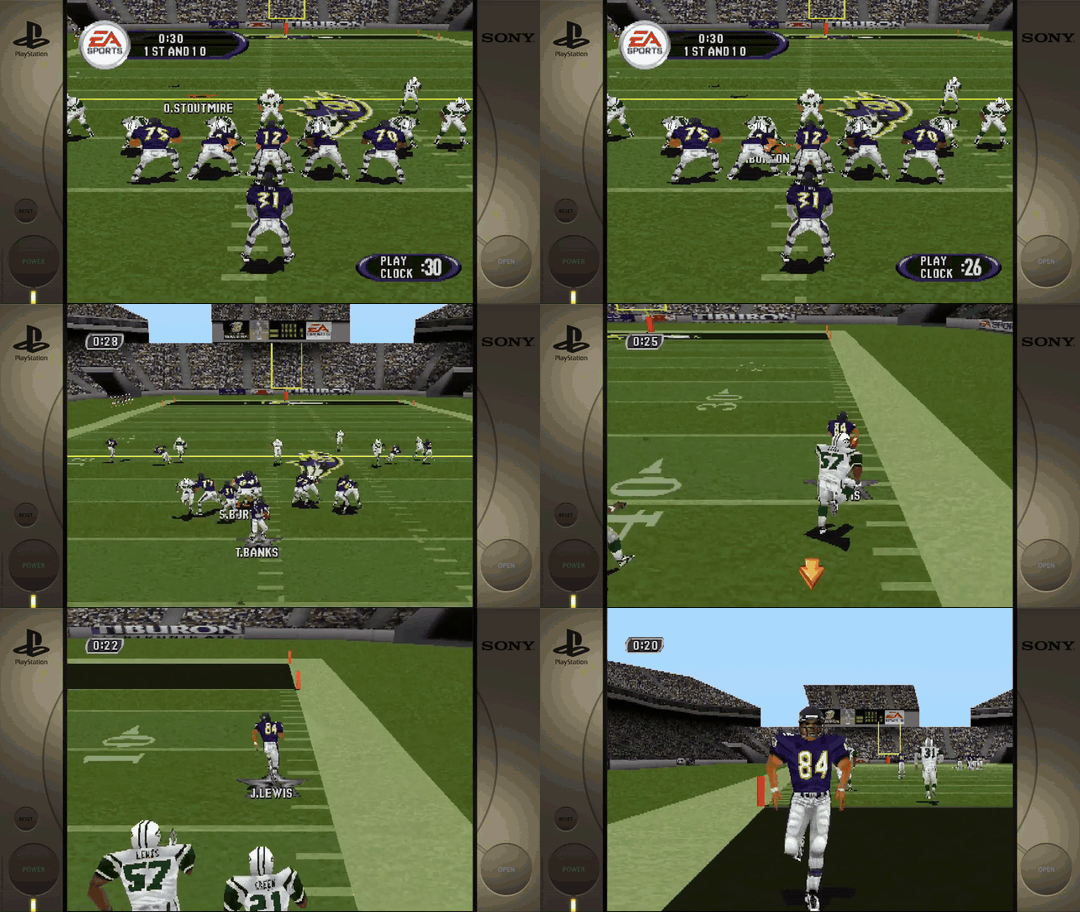
Suddenly, a half that New York had largely controlled was tied.
Jets 7, Ravens 7.
That touchdown was not just Baltimore’s biggest play of the game. It was nearly the Ravens’ entire offensive identity for the afternoon. New York had otherwise done an excellent job limiting big gains, containing the run, and forcing Baltimore into difficult down-and-distance situations.
Curtis Martin Takes Over
The Jets came out of halftime and immediately reasserted control.
New York put together its best possession of the game, marching 84 yards in 12 plays and draining 3:27 off the clock. The drive was patient, physical, and increasingly centered on Curtis Martin.
Martin finished it himself with an 11-yard touchdown run, giving New York a 14–7 lead.
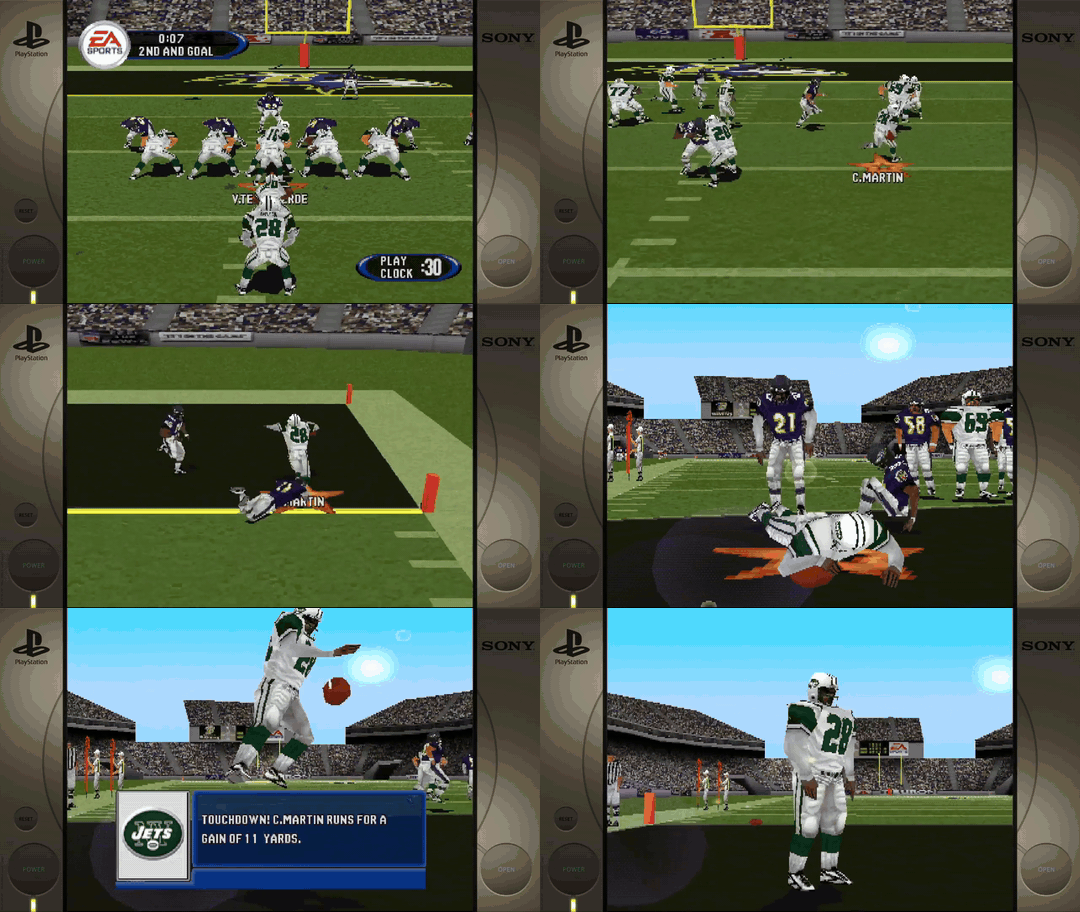
The score was important, but the way the Jets got there mattered even more. Baltimore’s defense had spent the first half keeping the Ravens alive. Now New York was beginning to wear that unit down with sustained drives and a relentless ground game.
The Defensive Stand That Turned the Game
Baltimore still had a chance to answer. The Ravens were down only seven, and one solid drive could have tied the game again.
Instead, New York’s defense produced the sequence that effectively turned the game.
On first down, Steve Burton sacked Banks for a seven-yard loss. Baltimore managed to get five yards back on the next play, but that still left the Ravens facing third-and-long.
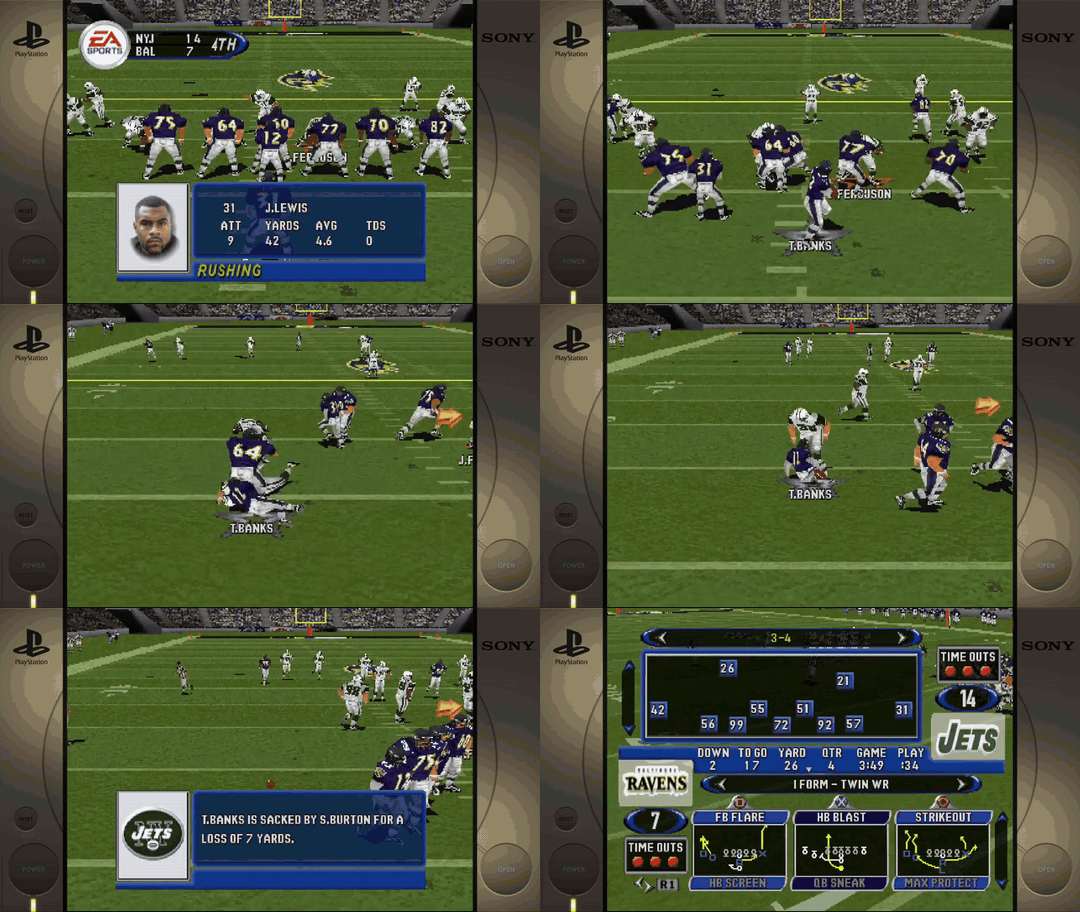
On third-and-12, Banks tried to keep the drive alive, but Marcus Coleman broke up the pass.
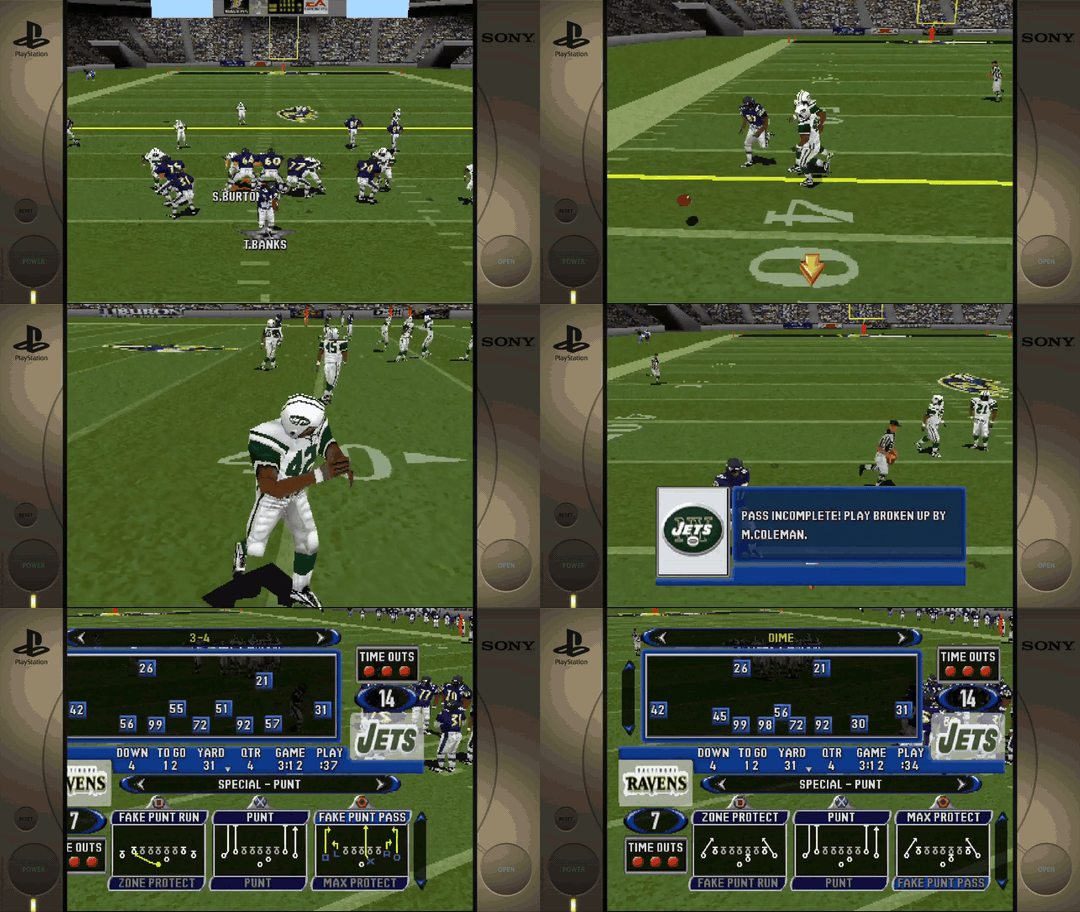
Three plays later, Baltimore was punting.
That sequence may have been the real turning point of the game. The Ravens still had a realistic path back into it, but the Jets defense forced them off the field without allowing any momentum to build. New York took over, Baltimore’s defense had to go right back out, and Curtis Martin resumed pounding away.
Martin Makes It 21–7
The Jets followed that defensive stand with another long scoring drive, moving 57 yards in seven plays.
Martin finished the possession with a one-yard touchdown run, pushing the lead to 21–7.
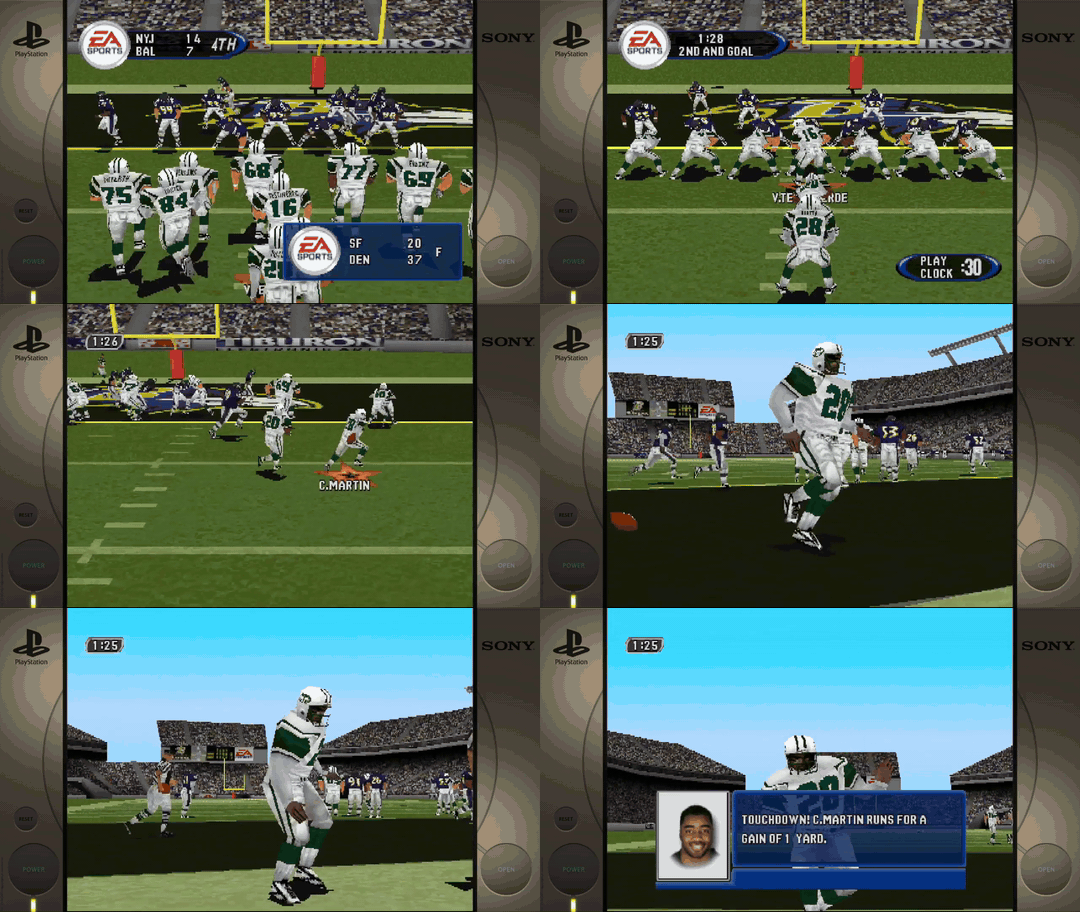
By then, Baltimore was in real trouble. The Ravens had no running game to lean on and were being forced into obvious passing situations, which allowed the Jets pass rush to attack with little hesitation.
Baltimore finished the game with only 38 rushing yards, and Banks was sacked three times. Once New York had a two-score lead, the Ravens simply did not have enough offensive balance to threaten a comeback.
Hat Trick
Martin added one more touchdown late, capping a short six-play scoring drive with a three-yard run.
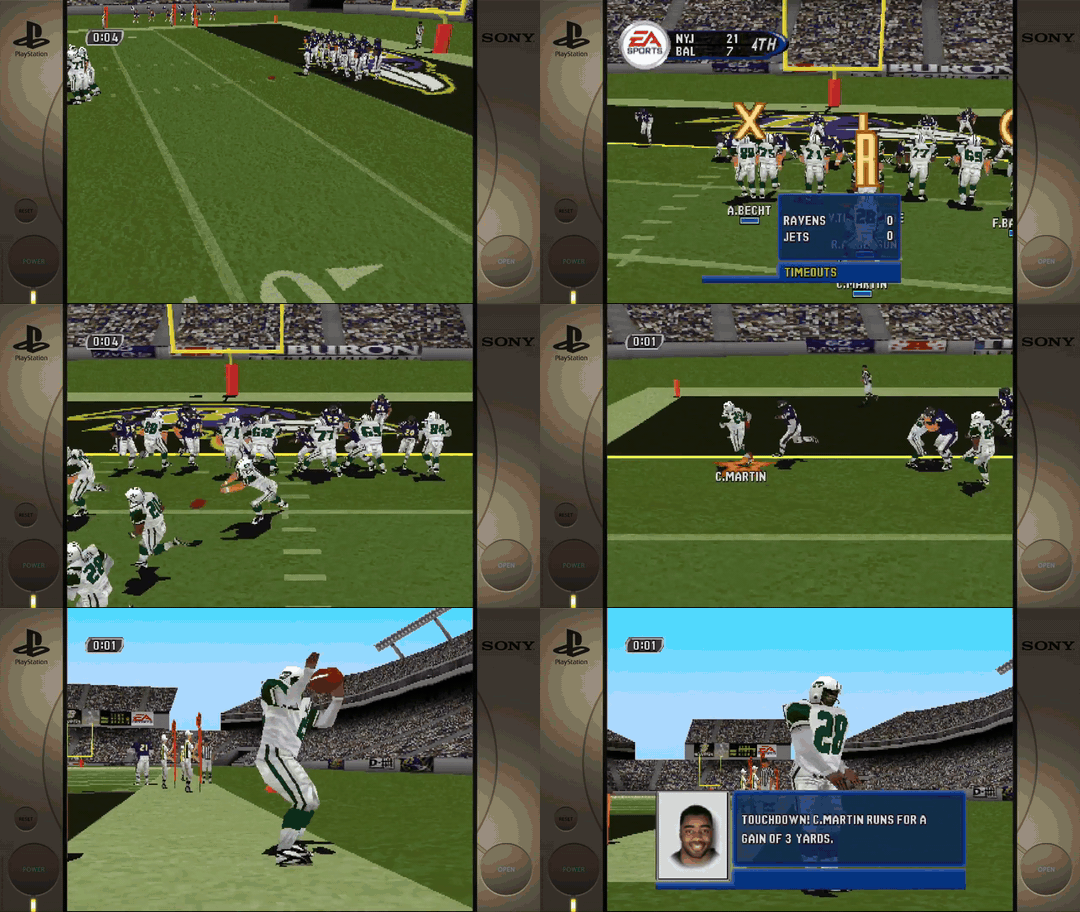
It was Martin’s third touchdown of the second half and the finishing touch on a dominant performance.
Jets 28, Ravens 7.
Martin’s Monster Finish
Curtis Martin finished with 31 carries for 189 yards and three touchdowns, averaging 6.0 yards per carry. This gives hime 3,045 yards on the season with 41 TDs (both new regular season records) making him a run away lock for the regular season MVP award.
New York finished with 303 total yards, including those 189 yards on the ground. Baltimore managed only 160 total yards and five first downs.
The most revealing number may be Baltimore’s 58-yard touchdown to Jermaine Lewis. That one play accounted for more than a third of the Ravens’ total offense. Outside of it, Baltimore generated only about 102 yards over the rest of the afternoon.
That says as much about the Jets defense as Martin’s rushing total says about the offense.
15–1
The Jets finish the regular season at 15–1.
They entered Week 17 already sitting atop the AFC, and they leave it looking every bit like the conference’s most complete team.
New York can throw when it needs to. It can hand the ball to Curtis Martin 31 times and grind down a defense. And when games tighten up, the Jets have shown they can create sacks, force turnovers, and get off the field on third down.
Baltimore’s defense made New York work for much of the first half.
The Jets defense made sure the Ravens never got another real chance in the second.
FINAL
NEW YORK JETS 28
BALTIMORE RAVENS 7
Jets finish the regular season: 15–1
Scoring
1st — NYJ: Laveranues Coles 26-yard TD reception
2nd — BAL: Jermaine Lewis 58-yard TD reception
3rd — NYJ: Curtis Martin 11-yard TD run
4th — NYJ: Curtis Martin 1-yard TD run
4th — NYJ: Curtis Martin 3-yard TD run